
How 3D Guided Surgery Makes Teeth in a Day More Predictable For Patients in Bonita Springs, FL
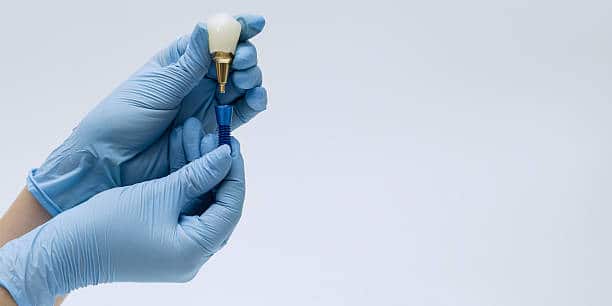
Teeth in a Day does not become predictable just because the procedure happens quickly. Predictability starts long before surgery, with detailed digital implant planning that maps your anatomy and connects it to the smile you want.
To plan same-day dental implants, the treatment team may combine a CBCT scan, digital impressions or an intraoral scan, photographs, bite records, virtual implant planning, a custom surgical guide, and a preplanned temporary restoration. Each record answers a different question. The CBCT scan shows internal anatomy. The intraoral scan shows surface anatomy and bite relationships. Digital planning connects the implant position to the planned teeth. The surgical guide helps transfer that plan into the mouth. The provisional restoration protects the healing implants when immediate loading makes sense.
This guide walks through how 3D guided implant surgery works for Teeth in a Day, what technology supports it, and where its limits are. Patients can review the practice’s dental implants in Bonita Springs to see how this fits into the broader range of implant treatment options available near Estero, Naples, and Fort Myers.
Why Teeth in a Day Requires Detailed Digital Planning
Same-day dental implants ask more of a treatment team than traditional implant care. The dentist is not simply placing implants. Implant position, available bone, nerve and sinus location, bite forces, restorative space, temporary bridge design, screw-access position, cleansability, esthetics, speech, and the long-term final restoration all have to work together before surgery day. This kind of coordination is part of what sets dental implants in Bonita Springs for Teeth in a Day apart from routine implant placement.
Immediate Teeth Depend on More Than Implant Placement
Traditional implant treatment often lets the surgical and restorative phases happen further apart. Immediate-load dental implants used for Teeth in a Day remove that separation, since a same-day implant restoration requires the surgical plan and the provisional bridge to be ready together. Implant position supports the restoration. Primary implant stability supports immediate loading. A well-designed provisional implant bridge protects the healing implants, helps control bite forces, and gives you a restorative fit you can eat and speak with, within the healing limitations your dentist sets during early recovery. Patients sometimes hear this described as getting permanent teeth in a day, though the teeth placed on surgery day are typically provisional rather than final.
The Planned Teeth Help Determine the Implant Position
Good full-arch smile design starts with the teeth, not the bone. Prosthetically driven implant placement means the dentist positions each implant to support natural-looking tooth placement, a correct bite, useful chewing function, favorable screw-access channels, adequate restorative thickness, and accessible hygiene. This kind of restorative implant planning and digital prosthetic planning helps the final implant-supported bridge fit comfortably and look natural. Placing implants only where bone looks easiest can create compromises in the final bridge later.
Bone Anatomy and Restoration Design Must Be Planned Together
Available bone limits where an implant can go. The planned restoration, including the planned position of each tooth, defines what the treatment needs to achieve. Digital planning coordinates the two, matching implant length, diameter, and angle to bone density, gum contours, lip support, and the vertical space needed for the final teeth. This full-arch implant planning and digital smile planning work together from the first scan to protect implant position accuracy.
The Digital Records Used to Plan Same-Day Dental Implants
Guided surgery depends on gathering accurate diagnostic records and combining them into one connected plan, not on any single piece of technology working alone. This kind of digital dental implant planning brings several types of 3D implant diagnostics together, and it plays a central role in how the practice approaches same-day dental implants in Bonita Springs and implant dentistry near Estero, FL.
CBCT Imaging Maps Bone, Nerves, and Sinuses
A 3D CBCT implant planning scan gives the dentist a three-dimensional jawbone scan showing bone height, width, shape, and any ridge resorption, along with nerve location, sinus anatomy, extraction sites, possible infection, and likely implant trajectories. This kind of 3D dental imaging supports careful implant bone evaluation, nerve mapping, and sinus mapping, but it does not capture the planned tooth shape or bite on its own.
Intraoral Scans Record the Teeth, Gums, and Bite
Digital impressions capture remaining teeth, gum contours, arch shape, bite relationship, restorative space, and, when relevant, the shape of an existing denture. Where CBCT records internal anatomy, an intraoral scan and bite scan record the surface anatomy and bite. Planning software can merge both datasets, sometimes built from a full-arch digital impression, into a single view as part of the broader digital implant workflow.
Photographs and Facial Records Guide Smile Design
Facial and smile photographs help the team evaluate tooth display, lip line, smile symmetry, midline, facial proportions, lip and cheek support, and tooth length. This facially driven implant planning, often called digital smile design, gives the team a preview of your future provisional appearance before any drilling begins. The final bridge should relate to your face, not only to a model of your jaw, which is part of why an implant smile makeover or broader smile rejuvenation typically starts with full-mouth smile design rather than a single-tooth measurement.
Bite Records Help Control Forces on Healing Implants
Bite analysis matters before immediate loading because forces from opposing teeth, uneven contacts, grinding, or clenching act on the provisional restoration first. Restorative thickness and cantilever length affect how well the restoration handles this early bite force distribution across a full-arch occlusion. The restoration then transfers the remaining forces to the implants underneath it, and excessive early loading can compromise healing. That is why implant bite planning and implant bridge protection happen before surgery, supporting immediate-load implant stability rather than risking it.
How Virtual Implant Planning Works Before Surgery
Virtual implant planning is a clinical decision-making process, not an automated result a computer produces on its own. This stage of digital implant case planning is where computer-guided implant surgery starts to take shape, well before any advanced dental implants are placed.
Selecting Implant Length, Width, Angle, and Depth
The dentist evaluates implant length against available anatomy, diameter against ridge width, entry point and angle against the planned bridge, and depth against how the restoration will emerge through the gums, always checking the bone surrounding each implant. Spacing between implants and distance from nerves and sinuses factor into every decision. This kind of implant size selection, implant trajectory planning, and implant depth planning is central to accurate digital implant placement.
Distributing Implants Across the Full Arch
Full-arch stability depends on how implants are spread across the jaw, not simply how many implants are placed. Anterior-posterior spread, posterior support, angled dental implants, and cross-arch stabilization all reduce cantilever forces and support a more even load. This full-arch implant distribution is a form of prosthetically driven implant placement, and it is a core reason All-on-4 dental implants rely on careful All-on-4 implant planning and full-mouth implant stability rather than placement in whatever bone happens to be available.
Planning Implant Position Around the Temporary Bridge
The temporary bridge design affects implant access positions, prosthetic screw channels, tooth position, bridge thickness, cleansability, lip support, and bite contacts. This kind of provisional bridge planning and full-arch prosthetic planning means surgery and immediate restoration design need to be coordinated before treatment day, not figured out afterward, so the fixed temporary teeth fit as intended from the start.
Identifying When Same-Day Loading May Not Be Appropriate
Virtual planning can flag challenges like low bone density, a limited implant spread, or severe bone defects ahead of time, which is part of how a dentist evaluates Teeth in a Day candidacy. But the final decision about immediate loading often depends on what the dentist finds during surgery itself, including infection, unfavorable bite forces, inadequate primary implant stability, or an inability to protect the provisional restoration. When any of these appear, delayed implant loading or a staged dental implant treatment, sometimes alongside bone grafting for dental implants, may serve the patient better than pushing ahead with same-day teeth.
How a Surgical Guide Transfers the Digital Plan to the Mouth
3D guided surgery relies on a dental implant surgical guide to carry the digital plan into the mouth. Guided implant placement and computer-guided dental implants both depend on this device working as intended.
What a Dental Implant Surgical Guide Is
An implant surgical guide is a custom dental surgical guide built from the digital plan. It fits over your teeth, gums, or supporting structures and contains openings or sleeves that support guided drilling. Whether it takes the form of a digital surgical template or a full-arch surgical guide, its design depends entirely on your anatomy and treatment plan.
How the Guide Controls the Entry Point and Implant Angle
Virtual planning establishes the intended implant position. The guide transfers that intended position into the mouth. The dentist still verifies the result clinically. The guide can help direct the entry point, drill direction, implant angulation, preparation depth, and implant spacing, supporting guided implant accuracy through implant angle control and implant depth control. This kind of precision implant placement does not replace hands-on monitoring of fit, anatomy, drilling progress, and implant stability during computer-assisted implant surgery.
Tooth-Supported, Tissue-Supported, and Bone-Supported Guides
Guides are built differently depending on the case. A tooth-supported surgical guide rests on stable remaining teeth. A tissue-supported surgical guide may rest on the gums in fully edentulous arches, which is common in edentulous implant planning. Bone-supported guides are used in select surgical situations, sometimes stabilized with fixation pins as part of a full-arch implant guide. No single guide type is universally better; the right choice depends on your anatomy.
Why Guide Fit Must Be Verified Before Implant Placement
A guide that is not fully seated or stable can transfer an inaccurate position. That is why surgical guide fit and guide stability still require complete seating checks, movement control, verification windows, secure fixation, and clinical inspection throughout the procedure, not just at the start. This ongoing guided implant verification is what protects implant placement accuracy from start to finish.
How Guided Surgery Supports Treatment Accuracy
Guided planning offers real, measurable benefits for implant treatment accuracy, but none of them amount to a guarantee of predictable implant placement or advanced implant surgery without any margin for error.
More Consistent Implant Positioning
Guided surgery may help reduce variation between the digital plan and the actual surgical outcome, including implant spacing, entry point, angle, depth, and restorative alignment. A 2023 systematic review and meta-analysis hosted by the National Institutes of Health’s PubMed Central database found that fully guided implant protocols demonstrated significantly higher accuracy than pilot-guided placement across the studies reviewed. Guided technology helps transfer the plan and reduces reliance on visual estimation alone, but it does not produce error-free or perfect placement.
Better Coordination With the Planned Provisional Teeth
When implant positions follow the plan closely, an immediate provisional restoration such as a temporary full-arch bridge or same-day implant bridge tends to need fewer major adjustments. Screw-access locations, tooth positioning, and restorative space are more likely to line up with digitally designed temporary teeth planned ahead of time.
Improved Awareness of Anatomical Boundaries
The guide comes from a plan that already accounts for nerves, sinuses, neighboring roots, ridge shape, bone defects, and implant spacing. This nerve-aware implant planning and sinus-aware implant placement do not remove anatomical risk. It gives the dentist clearer information through anatomical implant planning and CBCT-guided implant surgery, allowing them to plan around that risk.
Potential for a More Conservative Surgical Approach
Some guided cases allow for smaller, more targeted surgical access along planned implant pathways, which may mean less tissue reflection, more focused drilling, and potentially reduced postoperative swelling. This is not true for every case, and this kind of minimally invasive implant surgery does not promise flapless treatment or faster healing for every patient undergoing conservative implant placement or guided full-arch surgery.
How the Temporary Teeth Are Designed Before Treatment Day
The temporary Teeth in a Day restoration is part of the digital plan itself, not an afterthought created once surgery is finished. This kind of digital provisional design shapes the provisional implant bridge long before same-day temporary teeth are ever attached.
Digital Smile Design Establishes Tooth Position and Appearance
Teeth in a Day smile design covers tooth size, shape, length, shade, midline, smile line, lip support, and facial proportions. The custom temporary teeth are not just cosmetic. Their shape also affects speech, bite, and hygiene from day one, which is why full-arch digital smile design plays as much of a role in an implant smile makeover as it does in any longer-term smile rejuvenation.
The Provisional Bridge Must Protect Healing Implants
This healing bridge is designed to limit harmful forces on the implants during osseointegration through controlled bite contacts, reduced heavy posterior loading, adequate restorative thickness, and a limited cantilever. Connecting the implants through one provisional implant protection strategy, alongside soft-diet requirements during early healing, supports implant stability during healing as an immediate-load provisional does its job.
Screw-Access Position Influences the Restoration Design
The angle of each implant determines where the implant screw-access channel emerges on the finished bridge. Favorable access supports easier attachment, improved esthetics, adequate material thickness, easier long-term maintenance, and reduced restorative compromise, whether the final design becomes a screw-retained full-arch bridge or another restorative implant angle. This kind of prosthetic access planning is decided well before surgery day.
Temporary Teeth May Need Adjustment After Placement
Even with careful digital planning, the provisional restoration often needs a temporary implant restoration adjustment for bite, fit, pressure areas, speech, hygiene access, or esthetics once it is in your mouth. Digital planning does not remove the need for this kind of same-day bridge refinement, and a bite adjustment after implants is a normal part of a provisional bridge adjustment, not a sign that something went wrong.
What Happens During Guided Teeth in a Day Surgery
Guided Teeth in a Day surgery follows a consistent sequence, whether the case involves same-day dental implants for a single arch or full-arch implant surgery for both.
Verifying the Surgical Guide and Digital Plan
Before any drilling begins, the team confirms patient identity and the treatment arch, guide fit, guide stability, planned implant sites, the restorative plan, surgical instruments, and the provisional restoration. This preoperative verification step matters as much as the surgery itself for dental implants in Bonita Springs, FL.
Removing Failing Teeth When Necessary
Teeth in a Day may include same-day tooth extraction and implant placement for teeth beyond repair. This tooth extraction before implants relies on atraumatic technique, infection management, socket evaluation, and preservation of available bone, sometimes alongside possible localized grafting when extraction and full-arch implants happen together.
Preparing the Implant Sites Through the Guide
The dentist uses guided instruments and surgical guide sleeves to prepare each site according to the planned path. This implant site preparation involves monitoring drilling sequence, depth, bone resistance, irrigation, guide stability, and anatomical conditions throughout, supporting accurate digitally guided implant placement.
Measuring Implant Stability Before Attaching Temporary Teeth
Implants must reach sufficient primary implant stability before being immediately loaded, often measured through insertion torque and, when used, resonance frequency analysis. Bone quality and implant distribution both factor into this provisional loading decision, along with whether the connected provisional bridge can protect the bite during healing. If stability doesn’t meet immediate-load implant criteria, the dentist may change the plan rather than risk same-day implant stability.
Attaching and Adjusting the Same-Day Provisional Bridge
Once stability is confirmed, the same-day implant bridge is attached to the implants, checked for passive fit, adjusted for bite, polished, and evaluated for hygiene access, esthetics, and speech. These temporary full-arch teeth, sometimes called provisional fixed teeth, function as immediate implant restoration rather than the permanent final result. Patients interested in the fuller procedural picture can review how Teeth in a Day works at the practice’s Bonita Springs office.
When Guided Surgery May Be Especially Helpful
Digital guidance offers strong planning value for certain guided implant surgery candidates, particularly in complex dental implant treatment involving full-arch digital planning.
Full-Arch and All-on-4 Implant Treatment
Multiple implants supporting one restoration need coordinated implant spread, parallelism or planned angulation, bridge fit, and screw-access channels, all worked out before the immediate provisional design is finalized. This is why full-arch guided implants and All-on-4 dental implants depend on guided All-on-4 surgery rather than placement based on visual estimation alone.
Limited Bone or Complex Jaw Anatomy
Digital planning can help identify usable implant paths when bone is narrow, uneven, resorbed, close to nerves or sinuses, or limited in the posterior areas of the jaw. This kind of complex implant planning matters for dental implants for bone loss, but guided implants with low bone still cannot create bone or make an unsafe case suitable; it only clarifies the options that do exist, sometimes alongside bone grafting for dental implants.
Immediate Implants After Tooth Extraction
Guided planning can help coordinate the extraction socket, implant trajectory, remaining bone, and primary stability in cases where an immediate dental implant is placed the same day that a tooth is removed, along with the provisional crown or bridge that follows. This kind of guided immediate implant placement supports same-day tooth replacement right after an implant is placed after extraction.
Patients Transitioning From Dentures to Fixed Teeth
Digital records from an existing denture can help capture tooth position, bite height, lip support, smile appearance, and arch shape, giving the planning team a starting point when replacing dentures with implants. This denture conversion process gives many patients their first look at what implant-supported teeth or fixed teeth in a day could feel like, an option increasingly requested by denture implants near Estero.
Limits and Risks of Guided Implant Surgery
Every technology used in guided implant surgery has real limitations, and understanding them is part of managing dental implant accuracy limitations honestly rather than overstating what 3D guided surgery can promise.
Digital Planning Is Only as Reliable as the Records
Digital planning is only as reliable as the records behind it. Patient movement during scanning, incomplete intraoral scans, incorrect dataset matching, distorted impressions, outdated records, or poor guide fit can all reduce accuracy. Accurate records support accurate planning, accurate planning supports accurate guide fabrication, and a guide cannot correct inaccurate source data.
Surgical Guides Still Require Clinical Judgment
Surgical guides do not replace clinical judgment. A dentist may need to modify the plan mid-surgery because of unexpected bone quality, infection, unstable guide seating, poor implant stability, anatomical variation, or extraction-site changes found only once treatment begins. These surgical guide limitations are exactly why software and guides support, rather than replace, professional judgment.
Guided Surgery Cannot Guarantee Osseointegration
Guided surgery cannot guarantee osseointegration, the biological process where bone grows around and holds the implant in place. This kind of dental implant healing depends on bone quality, blood supply, implant stability, gum health, medical factors, smoking, hygiene, and bite protection. According to the American Dental Association, osseointegration takes time and depends on factors like general health and healing capacity, sometimes requiring several months before an implant fully integrates. These implant success factors, and the same-day implant risks tied to them, are what guided planning supports on the surgical side. It does not control how your body heals.
Not Every Case Requires the Same Guided Workflow
Not every patient needs the same guided workflow. Some cases call for fully guided surgery, others for partially guided placement or freehand placement informed by digital planning, and others for a staged implant treatment plan with delayed provisionalization. Fully guided surgery is not mandatory for every implant case.
Recovery After 3D Guided Teeth in a Day Surgery
Guided planning improves coordination, but it does not eliminate normal healing during Teeth in a Day recovery.
Guided Planning Does Not Eliminate Normal Healing
Patients may still experience swelling, soreness, bruising, gum tenderness, temporary speech changes, and dietary limitations during guided implant surgery recovery. Guided planning improves how treatment is coordinated, but it does not make recovery painless or instant.
A Soft Diet Helps Protect the Provisional Bridge
Immediate teeth are functional, but healing implants still require protection. A soft diet, avoiding hard foods, avoiding sticky foods, and controlled chewing all reduce pressure on the provisional bridge during this stage of same-day implant aftercare. Following your provider’s specific instructions matters more than any general rule, since healing timelines vary by patient, and this guide to foods to avoid after Teeth in a Day covers the full list in more detail.
Follow-Up Visits Verify Healing, Bite, and Bridge Stability
Follow-up care typically includes tissue evaluation, implant-stability monitoring, bite adjustments, hygiene review, and provisional repairs when needed, all in preparation for the final restoration. This kind of implant follow-up care and provisional bridge maintenance is part of what a full-arch implant checkup involves with an implant dentist in Bonita Springs.
How the Final Teeth Differ From the Same-Day Temporary Bridge
Teeth in a Day usually provides immediate provisional teeth first, followed by a final implant bridge after healing. Understanding temporary versus final Teeth in a Day restorations helps set realistic expectations for the full-arch restoration timeline.
The Temporary Bridge Is Designed for Healing
The temporary full-arch bridge, sometimes called a healing prosthesis, is designed for healing. It prioritizes implant protection, soft-tissue adaptation, immediate appearance, limited function, and adjustability. These provisional implant teeth, or immediate temporary teeth, are built to flex with your recovery rather than to serve as the finished result.
The Final Restoration Reflects the Healed Tissues and Stable Bite
The final full-arch bridge, sometimes described as permanent implant restoration or a definitive implant prosthesis, can be refined once tissue healing, implant integration, speech, esthetics, tooth position, bite, and hygiene access have stabilized. Your custom implant teeth are also shaped by your own feedback during this process, since comfort and function often need fine-tuning once healing is complete.
Guided Planning Creates a Foundation, Not the Final Outcome Alone
Guided planning creates a foundation for this outcome. It does not produce the final result on its own. A predictable outcome depends on coordination between the surgeon, the restorative dentist, the dental laboratory, and you, both during treatment and through ongoing hygiene and maintenance afterward. Predictable Teeth in a Day treatment is a system built from many coordinated parts, not the result of any single piece of equipment.
Common Questions About 3D Guided Teeth in a Day Surgery
What is 3D guided implant surgery?
It uses digital imaging and a custom surgical guide to help transfer a planned implant position into the mouth. The dentist verifies the guide and implant stability clinically throughout the procedure.
Does guided surgery make Teeth in a Day more accurate?
It may improve consistency between the digital plan and the surgical outcome. Accuracy still depends on record quality, guide fit, and clinical execution, and it does not guarantee a perfect result.
Is guided implant surgery less invasive?
Some guided cases use more focused surgical access. The approach depends on anatomy, extractions, grafting needs, and visibility requirements, so not every guided case is flapless.
Does every Teeth in a Day patient receive a surgical guide?
No single workflow applies to every patient. The dentist chooses fully guided, partially guided, or another approach based on the case, and digital planning can still be used without a fully guided procedure.
Are the teeth placed on surgery day permanent?
The same-day bridge is usually provisional. It supports appearance and protected function during healing, while the final restoration is made after implant integration and tissue stabilization.
What happens if the implants are not stable enough for same-day teeth?
The dentist may delay loading and use a removable or alternative temporary restoration instead. Protecting implant healing takes priority over the original same-day plan.
Can guided surgery prevent dental implant failure?
Guided surgery supports accurate implant-position planning. Implant success also depends on biology, hygiene, overall health, and bite forces, so no planning method removes all risk.
How does the dentist know where to place each implant?
CBCT imaging shows internal anatomy, while surface scans and restorative planning show the future teeth and bite. The dentist combines these records to choose each implant’s final position.
Can guided surgery be used for patients with bone loss?
Guided planning can map available bone and anatomical limits to help identify suitable implant paths. Severe bone loss may still require grafting or a different treatment design.
Is CBCT the same as guided implant surgery?
CBCT is a diagnostic imaging method. Guided surgery is a treatment workflow that may use CBCT data, so the scan provides information while the guide transfers the plan.
Comparing Freehand, Partially Guided, and Fully Guided Placement
| Approach | Digital Planning | Guided Drilling | Guided Implant Insertion | Surgical Flexibility | Restoration Coordination | Common Use Cases |
|---|---|---|---|---|---|---|
| Freehand, Informed by Digital Planning | Used for reference | Not used | Not used | Highest | Depends on the surgeon’s real-time judgment | Simple cases with generous, accessible bone |
| Partially Guided | Used for site preparation | Used for entry point and depth | Placed freehand after guided drilling | Moderate | Guide informs the plan while execution stays flexible | Cases needing some guidance with room for surgical adjustment |
| Fully Guided | Used throughout | Used | Used through the guide | Lowest | Closest alignment with the original plan | Full-arch and complex cases needing coordinated implant distribution |
No single approach is right for every patient. Your treatment plan determines which method fits your anatomy and goals.
See How Digital Planning Can Shape Your Teeth in a Day Treatment
Same-day teeth begin with a plan that connects your jawbone, implant position, bite, and future restoration before surgery starts. A comprehensive evaluation can determine whether 3D guided implant surgery, immediate provisional teeth, or a staged approach best fits your needs. Patients can review current treatment options for dental implants or see what to expect from Teeth in a Day before their visit.
Patients from Bonita Springs, Estero, Miromar Lakes, Naples, and nearby Southwest Florida communities can schedule a dental implant consultation with Dr. Breanne Anderson’s team to receive a personalized implant assessment.
