
All-on-4 Dental Implants and Bone Density in Bonita Springs, FL: Why a Strong Foundation Matters
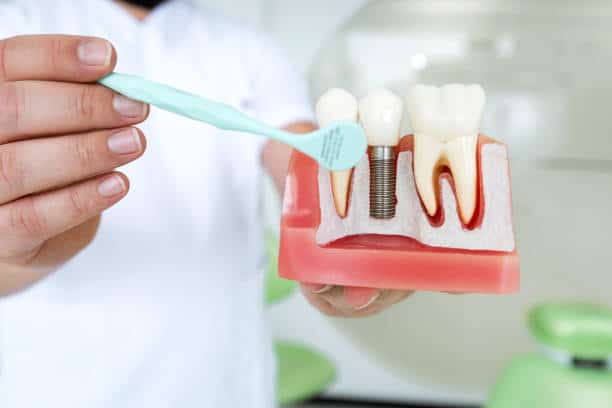
Bone strength plays a direct role in the success of All-on-4 dental implants. For patients exploring All-on-4 dental implants in Bonita Springs, bone density often becomes a key part of the conversation. Many people in Bonita Springs hear phrases like “bone loss” or “insufficient bone” during consultations, yet those terms are rarely explained in a clear way. This can lead to unnecessary worry or confusion about treatment options.
Bone density affects how well implants anchor into the jaw and how stable they remain over time. Tooth loss, dentures, and long gaps without proper support all contribute to bone changes. The good news is that modern implant techniques and digital planning allow many patients with bone loss to qualify for treatment. This article explains how bone density affects Bonita Springs dental implants, how All-on-4 systems work with existing bone, and how grafting and advanced imaging help support long-term stability.
Understanding Bone Density and Why It Matters for Dental Implants
Bone density refers to the structure, thickness, and quality of the jawbone that supports teeth and implants. Healthy bone provides a firm base for implants to bond and remain stable. When bone becomes thinner or softer, implants require more careful planning.
After tooth loss, the jaw no longer receives stimulation from chewing. Over time, the bone begins to shrink, a process called resorption. This change can affect placement and stability for dental implants in Bonita Springs, FL . A skilled team practicing implant dentistry in Bonita Springs evaluates bone quality early so treatment can be planned accurately. In some cases, bone grafting for dental implants helps rebuild lost volume and improve support.
How Tooth Loss Leads to Bone Changes
Tooth roots stimulate the jaw during daily use. When a tooth is removed or lost, that stimulation stops. The surrounding bone gradually breaks down and shrinks. This process can begin within months and continues over time.
Patients seeking tooth replacement in Bonita Springs, FL, often notice changes in bite, facial structure, or denture fit. A qualified dental implant dentist evaluates these changes to determine how much bone remains and what support is needed for implants.
What “Low Bone Density” Means for Treatment Planning
Low bone density means the jawbone lacks the thickness or quality needed to hold an implant securely without added support. Softer bone offers less anchorage, which can affect long-term stability.
This does not mean implants are off the table. Bone grafting can be used as a supportive treatment to improve bone volume and create a more stable foundation. The key lies in careful diagnosis and planning rather than one-size-fits-all treatment.
How All-on-4 Dental Implants Work and Why Bone Quality Is So Important
The All-on-4 system uses four dental implants to support a full arch of replacement teeth. Two implants are placed vertically in the front of the jaw, while two are angled toward the back. This design allows the implants to anchor into stronger areas of bone.
For patients considering All-on-4 dental implants in Bonita Springs, this approach often works well even when some bone loss is present. An experienced implant dentist in Bonita Springs plans placement carefully to distribute biting forces evenly across the jaw. This makes dental implants in Bonita Springs more predictable for patients with moderate bone loss.
How Angled Implants Maximize Existing Bone
Angled implants allow dentists to use denser bone in the front of the jaw while avoiding weaker areas in the back. This reduces stress on the bone and often limits the need for grafting.
This technique reflects the progress made in advanced dental implants in Bonita Springs and modern implant dentistry in Bonita Springs. Strategic placement supports stability without relying on compromised bone.
Comparing Upper vs. Lower Jaw Bone for All-on-4
The upper jaw usually has softer bone and sits near the sinus cavities. This can require additional planning or grafting. The lower jaw tends to be denser, providing stronger natural support.
Across dental implants in Southwest Florida, these differences shape how All-on-4 treatments are planned and executed for each patient.
Diagnosing Bone Quality — What Bonita Springs Patients Can Expect
Accurate diagnosis guides every successful implant case. The process begins with advanced imaging that allows dentists to evaluate bone volume, density, and anatomy before any treatment decisions are made.
During the diagnostic visit, patients undergo 3D cone beam CT imaging along with an intraoral scan in Bonita Springs, FL. These scans capture detailed views of the jawbone and bite. An implant dentist in Bonita Springs then uses this information for digital planning, which maps implant position and helps tailor treatment to each patient’s bone structure.
How 3D Imaging Improves Precision
Three-dimensional imaging shows bone thickness, height, and density in detail. It also reveals nerve locations and sinus boundaries. This level of visibility reduces guesswork and allows implant placement to be planned with greater accuracy and safety.
Digital planning supports predictable outcomes by aligning implant position with available bone rather than relying on estimates.
Personalized Treatment Based on Bone Density
Every patient presents with unique bone conditions. Some require grafting, while others may still qualify for All-on-4 even with bone loss, thanks to advanced implant planning techniques and strategic placement.
During consultation, patients can also discuss treatment options and ask questions about affordable dental implants in Bonita Springs in a way that aligns with their anatomy, goals, and long-term stability.
Bone Grafting and Regeneration Options in Bonita Springs
Bone grafting rebuilds areas of the jaw that lack sufficient volume for implants. The graft material acts as a framework that encourages the body to form new bone, helping create a stable foundation for implants.
For patients receiving bone grafting for dental implants, the procedure supports long-term success. Grafting may be handled directly by the implant team or coordinated with a periodontist in Estero, FL, when advanced care is needed. This approach supports predictable outcomes for dental implants in Bonita Springs.
Bone grafting can involve different techniques depending on the amount of bone loss. Small socket grafts are placed at the time of tooth removal to preserve bone in a single area. Ridge augmentation is used when larger sections of the jaw have lost volume and need rebuilding before implants can be placed.
When Bone Grafting Is Needed
Bone grafting may be recommended after long-term tooth loss, failed dentures, or extended denture use when bone volume has decreased. Common graft materials include:
- Autografts taken from the patient’s own bone
- Allografts sourced from donated bone
- Synthetic graft materials designed to support regeneration
The choice depends on the extent of bone loss and treatment goals.
Healing and Integration Timeline
Bone regeneration is a biological process that takes time. After graft placement, new bone forms gradually over several months. Many grafts mature within three to six months before implants can be placed.
Your dentist will guide you through the healing and integration process and monitor your progress with follow-up imaging.
Comparing All-on-4 With Traditional Implants for Low Bone Density Cases
Not all implant cases follow the same path. The choice between All-on-4 and traditional implants depends on bone condition, bite forces, and long-term goals.
Patients researching All-on-4 dental implants in Bonita Springs often compare options with a trusted implant dentist in Bonita Springs to understand cost, timelines, and stability. Discussions around dental implants cost in Bonita Springs should always reflect personalized treatment planning.
When All-on-4 Can Eliminate the Need for Bone Grafting
The angled placement of rear implants allows All-on-4 systems to bypass areas of bone loss. This often removes the need for grafting in moderate cases.
Exceptions include severe bone loss or sinus expansion in the upper jaw.
When Traditional Implants Are Still the Better Option
Some patients benefit from staged grafting and traditional implants. This approach allows bone to rebuild gradually before implants are placed.
Individualized care ensures the right method supports long-term comfort and function.
Bone Health After Implant Placement — Keeping Results for Life
Implants rely on ongoing bone health to remain stable. Maintenance plays a key role in long-term success.
Patients with Bonita Springs dental implants should focus on daily care, nutrition, and regular dental visits. Whether restoring teeth implants or denture implants in Bonita Springs, FL, long-term stability depends on healthy habits.
Everyday Habits That Support Jawbone Health
Healthy bone benefits from:
- Balanced nutrition with calcium and vitamin D
- Avoiding smoking
- Controlling gum disease
- Wearing night guards when recommended
These habits protect both bone and implants.
Checkups and Maintenance Visits in Bonita Springs
Routine exams allow dentists to monitor bone levels and implant stability. Periodic X-rays and cleanings help identify changes early.
At our Bonita Springs dental office, patients receive annual implant health assessments to support long-term success.
Common Questions About Bone Density and All-on-4 Implants in Bonita Springs, FL
Can I get All-on-4 implants if I have bone loss?
Many patients with bone loss can still qualify for All-on-4 implants. Candidacy depends on bone location, density, and volume. A thorough 3D assessment helps determine whether existing bone can support the implants.
Do All-on-4 implants prevent further bone loss?
Yes. All-on-4 implants stimulate the jawbone through functional load. This stimulation helps preserve bone structure and maintain jaw shape over time.
How long does it take to heal after bone grafting?
Bone grafts typically need 3–6 months to mature. During this time, new bone forms and strengthens. Implants are placed once the grafted area is stable.
Is bone grafting painful?
Modern bone grafting uses local anesthesia or mild sedation. Most patients report manageable discomfort during recovery. Your dentist focuses on comfort throughout the process.
What if my bone is too soft for implants?
Your dentist may use longer or angled implants to improve stability. In some cases, bone grafting is recommended to strengthen the foundation. Treatment decisions are based on your specific bone condition.
Building a Strong Foundation for Your Smile in Bonita Springs, FL
A stable smile begins with a strong foundation. Bone density plays a central role in the success of dental implants and long-term comfort. With advanced imaging, careful planning, and modern techniques, many patients qualify for All-on-4 even after years of bone loss.
Your smile deserves stability and comfort for years to come. Schedule a consultation to evaluate bone health and explore personalized treatment options designed around your needs.
