
Your First Dental Implant Consultation in Bonita Springs, FL: Exams, Scans, and Treatment Planning
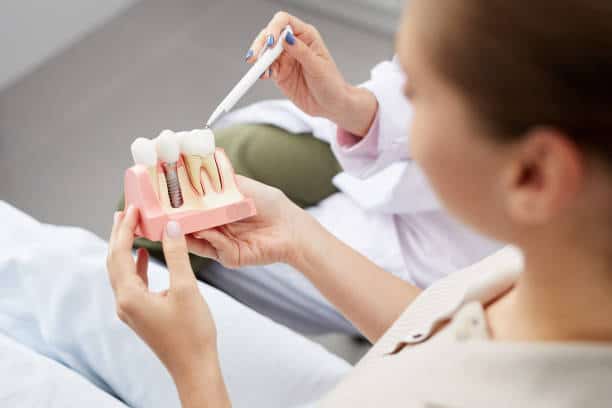
Most people arrive at a dental implant consultation knowing one thing for certain: they want to replace missing teeth. What they usually don’t know yet is which treatment fits their case, how many implants they may need, or whether they even qualify.
A dental implant consultation typically includes a discussion of your concerns and goals, a review of your medical and dental history, and an examination of your teeth, gums, bite, and missing-tooth areas. It also includes diagnostic imaging, an evaluation of your bone and gum health, a review of treatment options, and a discussion of timing and expected costs.
A consultation doesn’t commit you to treatment. Its purpose is to determine what’s possible and which solution fits your health, anatomy, function, preferences, and budget. If you’re considering dental implants in Bonita Springs, an implant dentist in Bonita Springs will walk you through exactly what that first visit involves, including what to expect if you’re traveling in from Estero, Naples, or Fort Myers for care.
What to Expect at Your First Dental Implant Consultation
A dental implant consultation in Bonita Springs is a diagnostic appointment, not a surgery date. Before your dentist recommends anything, they need a clear picture of your goals, your health, and your mouth. This first dental implant evaluation is also where your dentist begins dental implant treatment planning. If you’ve been searching for an implant dentist near me, here’s how that first visit typically unfolds.
Discussing Your Missing Teeth and Treatment Goals
Whether you’re local to Bonita Springs or traveling in from Fort Myers, your dentist starts by understanding why you’re seeking treatment. Reasons for tooth replacement in Bonita Springs, FL vary widely from patient to patient.
Some common goals include:
- Replacing one missing tooth
- Replacing several teeth
- Stabilizing loose or uncomfortable dentures
- Replacing failing dental work
- Improving chewing function
- Restoring confidence in your smile
- Reducing dependence on removable appliances
The same clinical situation can often be addressed in more than one way. For example, a single missing tooth might be treated with a single dental implant or, in some cases, a fixed bridge. Your goals shape which option makes the most sense.
Patient goals influence restoration design. Restoration design influences implant planning. Implant planning influences treatment sequencing. This is the starting point for any smile rejuvenation, whether it involves single dental implants in Bonita Springs or a broader plan involving dental implants and dentures.
Reviewing Your Dental and Medical History
Your implant dentist will also review your dental and medical history. This typically includes:
- Current medications
- Allergies
- Diabetes
- Smoking or nicotine use
- Osteoporosis medications
- Blood-thinning medications
- History of radiation therapy
- Previous implant or grafting treatment
- Periodontal disease
- Previous tooth loss
None of these factors automatically rules out implant treatment on its own. Instead, they may affect healing, treatment timing, or the need to coordinate care with another healthcare provider. Gum health for dental implants and periodontal disease history are two of the most common factors reviewed here. This history review is part of how a dentist evaluates dental implant candidacy and identifies implant healing factors specific to you. That’s true whether you’re younger or considering dental implants for seniors.
Understanding Your Timeline, Priorities, and Budget
Treatment planning isn’t only clinical. Your dentist will also want to understand your practical preferences, including:
- Your desired timeline
- Your tolerance for staged treatment versus a single visit
- Whether you prefer fixed or removable teeth
- Your aesthetic expectations
- Your financial considerations
- Your availability for follow-up care
Treatment length varies quite a bit from patient to patient. A straightforward single implant may be completed in a few months, while cases involving grafting, extractions, or staged full-arch treatment can take considerably longer. Your dentist can give you a more specific estimate once your exam and imaging are complete.
Dental implants cost is almost always part of this conversation, but it’s discussed as one planning factor rather than a fixed number. The cost of dental implants depends on your specific case, including how many implants you need, whether grafting is required, and what type of restoration you choose. Patients asking about affordable dental implants or full mouth dental implants cost will get a more useful answer once their exam is complete. Many patients also ask about financing or payment options at this stage, and your dental team can walk you through what’s available once your treatment plan is defined. An exact fee requires a completed exam and a defined treatment plan.
The Oral Examination Before Dental Implant Treatment
Implant candidacy depends on the condition of your entire mouth, not just the space where a tooth used to be. A thorough dental implant exam with a dental implant dentist looks at several areas together, whether you’re seeking dental implants in Bonita Springs, FL or traveling in from a nearby community.
Checking the Missing-Tooth Area
Your implant dentist in Bonita Springs will assess the specific site where a tooth is missing, including:
- Gum contours
- Space between teeth
- Space between the jaws
- Ridge shape
- Tissue thickness
- The condition of neighboring teeth
- Signs of infection
- Previous extraction sites
This implant site evaluation helps determine whether missing tooth replacement can proceed as planned or whether additional preparation is needed first. A single tooth implant consultation often centers heavily on this step, since one site’s anatomy can shape the entire local dental implant restoration plan.
Evaluating Gum and Periodontal Health
Active gum disease can affect how well an implant heals and how it holds up over time. During this part of the exam, your dentist checks for:
- Bleeding
- Pocket depth
- Inflammation
- Plaque control
- Bone loss
- Stability of remaining teeth
Periodontal health for implants matters because the gum and bone tissue around an implant need to be stable for long-term success. Gum health before dental implants is one of the most common reasons a first visit leads to a short delay rather than an immediate treatment date. If active disease is present, periodontal treatment may be recommended before implant surgery. This doesn’t mean gum disease rules out treatment. It usually means a short course of periodontal care comes first. In some cases, this is coordinated with a periodontist in Estero, FL before implant placement moves forward.
Reviewing Your Bite and Available Restorative Space
Implants need to function within your existing bite, not just fill a gap. Your dentist evaluates:
- Opposing teeth
- Bite force
- Grinding habits
- Limited vertical space
- Tooth position
- Uneven bite contacts
- Restoration thickness
This implant bite planning affects how many implants are recommended, where they’re positioned, what material is used for the final restoration, and whether a nightguard is suggested to protect your new teeth.
A patient with a heavy bite or a history of grinding may need a different dental implant restoration approach than someone with a lighter bite, whether that means a single crown or an implant-supported bridge. This is also relevant for patients exploring full mouth reconstruction near Fort Myers.
Examining Nearby Teeth and Existing Dental Work
Crowns, bridges, decay, root canals, and the position of neighboring teeth can all change your treatment options. If a tooth next to the implant site needs a new crown, has significant decay, or can’t be saved and needs extraction, your dentist will factor that into extraction planning and the overall space management around the implant site. If an old bridge is failing, that gets weighed too. This is often where the conversation about tooth replacement options broadens, including whether dental implants vs. bridges makes more sense for your specific situation with dental bridges in Bonita Springs, FL, or whether dental crowns on neighboring teeth need attention first for a patient traveling in from Naples.
Dental X-Rays and 3D Imaging for Implant Planning
Diagnostic imaging plays a central role in implant planning, though the exact records needed depend on your case. Most consultations involve some combination of dental implant X-rays and, when indicated, 3D imaging as part of your broader implant diagnostics.
What Standard Dental X-Rays Can Show
Conventional X-rays give your dentist useful baseline information, including:
- General bone levels
- Nearby roots
- Decay
- Infection
- Previous dental work
- Overall tooth condition
Standard X-rays are a helpful starting point, but they capture a flat, two-dimensional image. They may not provide the detailed three-dimensional measurements needed for precise implant placement, which is where more advanced imaging comes in.
When a CBCT Scan May Be Recommended
A CBCT scan for dental implants creates a three-dimensional image of your jaw. Your dentist may recommend this type of 3D scan for dental implants to assess:
- Jawbone width and height
- Nerve position
- Sinus anatomy
- Hidden bone defects
- Ideal implant angle
- Grafting needs
- Full-arch planning
3D CBCT implant planning gives your dentist a far more complete view of your jaw than a standard X-ray alone, which supports more accurate, personalized digital implant planning and guided implant surgery. Peer-reviewed research on CBCT’s role in implant dentistry has found that this type of 3D dental imaging helps clinicians evaluate bone structure and plan implant position with more precision than two-dimensional imaging allows, according to a clinical review published in the Journal of Pharmacy & Bioallied Sciences. Not every patient needs a CBCT scan at the first visit. Your dentist will decide based on your exam findings and existing records.
How Digital Impressions Support Restoration Design
Many implant consultations also include digital impressions for implants. An intraoral scan captures detailed images of your teeth, gums, bite, restorative space, and arch shape without a traditional impression tray. These records feed directly into the digital implant workflow used to design your eventual crown, bridge, denture, or full-arch restoration, supporting more accurate implant restoration planning from the start.
How the Dentist Determines Whether You Are an Implant Candidate
Dental implant candidacy isn’t based on age alone or any single factor. It comes from a combined assessment of your health, anatomy, gum condition, restorative goals, and ability to maintain treatment long-term. An implant dentist in Bonita Springs, FL builds this picture during your dental implant evaluation, not from any one test or number alone.
Bone Volume and Implant Stability
Implants need enough bone to provide sturdy support. Bone height and width affect where an implant can be placed, and bone quality affects how stable it is right after placement. Reduced bone density for dental implants doesn’t automatically eliminate you as an implant candidate. Patients considering dental implants for bone loss often still qualify once the right preparation is in place. In many cases, bone grafting for dental implants can rebuild the support needed before implants are placed, opening up treatment for patients who wouldn’t otherwise qualify.
Gum Health and Infection Control
Active infection or uncontrolled periodontal disease may need to be treated before implant placement. Your dentist looks for healthy soft tissue, good plaque control, periodontal stability, and a healing environment that supports long-term success. The National Institute of Dental and Craniofacial Research identifies smoking as a leading contributor to gum disease risk, which is part of why smoking history comes up during this stage of planning. Gum disease being present at your consultation doesn’t mean implants are off the table. It typically means periodontal care comes first.
Overall Health and Healing Capacity
Your overall health may influence surgical risk, healing speed, infection risk, and how your treatment is sequenced. Conditions like diabetes or a history of radiation therapy may require coordination with your physician, medical clearance before surgery, or extra time to heal. This isn’t a diagnosis your implant dentist makes on their own. It’s a conversation about how your health and your dental treatment plan work together, sometimes with input from another healthcare provider.
Oral Hygiene and Long-Term Maintenance
Implant success depends heavily on what happens after placement. Long-term maintenance includes:
- Daily cleaning
- Professional maintenance visits
- Follow-up appointments
- Smoking cessation, where relevant
- Management of teeth grinding
Candidacy isn’t only about your current health. It also reflects your ability and willingness to maintain your new teeth once treatment is complete.
Treatment Options You May Discuss During the Consultation
A dental implant consultation is a decision-making appointment, not a sales pitch for one predetermined procedure. Reviewing your dental implant options and tooth replacement options together, from a single implant to more advanced dental implants for widespread tooth loss, helps you and your dentist land on the right fit. That’s true whether you’re seeking dental implants in Bonita Springs or elsewhere in Southwest Florida.
A Single Dental Implant for One Missing Tooth
A single tooth implant supports one crown and typically doesn’t require reshaping neighboring teeth. Your dentist still needs to evaluate available bone and space before recommending single dental implants in Bonita Springs, and planning can differ depending on whether the missing tooth is in the front or back of your mouth. Front dental implants often carry different aesthetic considerations than a back tooth implant.
Implant-Supported Bridges for Several Missing Teeth
When several teeth in a row are missing, fewer implants can sometimes support multiple replacement teeth through an implant-supported bridge. Your dentist considers span length, bone position, bite force, how easily the restoration can be cleaned, and the overall design of the dental implant bridge before recommending this option for patients with multiple missing teeth. That’s true for a patient in Bonita Springs or a patient exploring dental bridges in Estero.
Implant-Supported Dentures and Snap-In Dentures
For patients missing most or all of their teeth in an arch, implant-supported dentures offer more meaningful retention than traditional dentures. These removable implant overdentures, sometimes called snap-in dentures or denture implants, anchor to a small number of implants, which improves stability during eating and speaking compared with removable dentures that rely on suction or adhesive alone. This option often comes up for patients exploring dental implants and dentures together as a long-term solution, including denture implants near Estero.
Full-Arch Dental Implants and Teeth in a Day
Patients with widespread tooth loss may discuss full-arch fixed bridges, All-on-4 dental implants, or same-day dental implants during their consultation. Teeth in a Day allows some patients to leave with functional temporary teeth the same day their implants are placed, though not every case qualifies for an immediate approach. Full arch dental implants and full mouth dental implants can also be planned in stages, depending on healing needs and the extent of preparatory treatment required.
When a Bridge or Denture May Be More Appropriate
Implants aren’t always the only reasonable treatment, and a trustworthy consultation should say so. A traditional bridge or denture may be a better fit in certain situations. These include certain medical limitations, insufficient bone that you’d prefer not to graft, a preference for nonsurgical care, a faster treatment timeline in mind, financial priorities that favor a different option, or neighboring teeth that are better suited to bridge support. Comparing dental implants vs. bridges side by side can help you understand which approach fits your goals and your health.
Questions to Ask at Your Dental Implant Consultation
Coming prepared with a few dental implant consultation questions for your implant dentist can help you compare recommendations and understand your care, not build unnecessary distrust. Whether you’re meeting with your current dentist or still researching the best implant dentist near me, these five questions are worth bringing to your first visit.
Which Implant Option Fits My Missing Teeth?
Ask whether the recommendation is for one implant, an implant bridge, implant-supported dentures, or full-arch treatment. The answer should connect back to your anatomy, your bite function, and how easy the restoration will be to maintain long-term.
Do I Have Enough Bone for Dental Implants?
Ask how your bone was evaluated, whether grafting is recommended, whether implant position can be adjusted to avoid grafting, and whether your treatment will move forward immediately or in stages.
Who Places and Restores the Dental Implants?
Understand the difference between surgical placement, restorative design, laboratory fabrication, and ongoing maintenance. No single care model is universally better than another. What matters is having clarity about who’s responsible for each part of your treatment and how those steps are coordinated.
What Will the Treatment Timeline Include?
Ask your dentist to walk through the full sequence, including any needed extractions, grafting, implant placement, healing time, temporary teeth, your final restoration, and follow-up visits.
What Maintenance Will My New Teeth Require?
Understand what’s expected of you afterward, including home hygiene routines, professional cleaning schedules, whether any appliance needs to be removed for cleaning, periodic component checks, nightguard recommendations, and the possibility of future repairs.
What Happens After the Implant Consultation?
A well-run consultation should end with clear dental implant next steps, not an immediate obligation to move forward with surgery. This is where implant surgery planning actually begins, once you have a diagnosis and a defined path forward.
Reviewing Your Personalized Treatment Plan
Your implant treatment plan may include a diagnosis, a recommended restoration, the number of implants needed, any preparatory treatment, an estimated sequence, expected healing stages, and long-term maintenance requirements.
Coordinating Extractions, Grafting, or Periodontal Care
If preparatory work is needed, your dentist will sequence it before implant placement. This might include tooth extraction before implants, bone grafting before implants, or periodontal treatment before implants, depending on what your exam and imaging revealed.
Understanding Fees Without Relying on Generic Implant Prices
Dental implants cost depends on several variables. These include the number of implants, whether grafting or extractions are needed, the type of restoration, materials used, sedation preferences, laboratory work, and any temporary teeth required during healing. Because of this, generic full mouth dental implants cost figures found online rarely reflect what a specific patient will actually pay. This is true even when a practice advertises affordable dental implants, since the cost of dental implants depends on your specific case. A defined treatment plan is what makes a meaningful, personalized estimate possible.
Scheduling Treatment When You Feel Informed and Ready
You should leave your consultation with enough information to make a confident decision, along with the opportunity to ask follow-up questions before scheduling anything. There’s no need to decide on the spot.
Common Questions About Dental Implant Consultations
Do I need a referral for a dental implant consultation?
Referral requirements vary by practice. Many implant consultations can be scheduled directly with an implant dentist. Confirm the specific process with the office you plan to visit.
Will I receive a CBCT scan at my first visit?
CBCT may be recommended when three-dimensional imaging is needed for your case. Your dentist typically reviews your exam findings and existing records first. The decision to order imaging depends on your individual situation.
Can the dentist tell whether I qualify for implants at the consultation?
The consultation evaluates your candidacy based on what’s found during the exam. Final recommendations depend on your clinical findings and any diagnostic imaging completed. In some cases, additional records or coordination with another healthcare provider may be needed before a final plan is set.
Will I learn how much dental implants cost?
A defined treatment plan supports a meaningful cost estimate. Your actual cost depends on the surgical and restorative work your case requires. Generic online prices may not reflect what your treatment will actually involve.
Should I bring anything to the consultation?
Patients may want to bring a list of current medications, relevant dental records, insurance information, and any questions they’d like answered. Confirm any practice-specific requirements before your visit.
Does an implant consultation mean I must proceed with surgery?
A consultation provides a diagnosis and a review of your options. It doesn’t require you to accept treatment on the spot. You’re free to review your plan and ask questions before deciding how to move forward.
Start With a Clear Plan for Dental Implants in Bonita Springs
A dental implant consultation should give you more than a single treatment recommendation. It should help you understand your oral health, your diagnostic findings, your tooth-replacement options, your expected timeline, and what long-term maintenance will look like. Patients from Bonita Springs, Estero, Naples, Fort Myers, and nearby Southwest Florida communities can explore dental implants in Bonita Springs and schedule a consultation to learn which approach fits their health and their restorative goals, with no pressure to decide before they’re ready.
