
Can Teeth in a Day Replace Failing Dentures in Bonita Springs, FL?
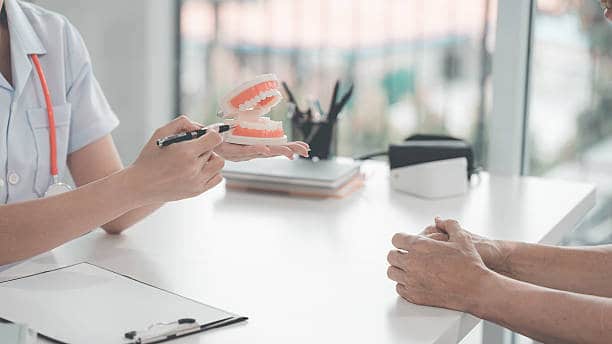
Many denture wearers in Bonita Springs and Estero reach a point where their dentures no longer feel like a reliable solution. The shifting during meals, the slipping mid-conversation, the daily routine of applying adhesive just to get through the day – these are signs that something has changed.
Traditional dentures replace the visible part of your teeth. They do not replace the roots underneath. Over time, the jaw changes shape, gum tissue shifts, and dentures that once fit well can become loose, uncomfortable, and harder to manage.
Teeth in a Day is an implant-supported treatment that may offer a more stable alternative for patients who are ready to move beyond removable dentures. For eligible patients, it combines dental implant placement with a same-day restoration, so you leave with functional teeth supported by your jawbone rather than resting on your gums.
If you have been searching for permanent Teeth in a Day near Bonita Springs or exploring denture implants near Estero, this guide explains how the process works, who may qualify, and what to expect.
Why Traditional Dentures Often Become Less Stable Over Time
Dentures are not failing because you did something wrong. In most cases, the mouth naturally changes after teeth are lost, and those changes affect how dentures fit.
Understanding why this happens can help you make a more informed decision about denture replacement in Bonita Springs or Estero.
Bone Loss Continues After Teeth Are Lost
Your tooth roots do more than hold teeth in place. They stimulate the jawbone every time you bite or chew. That stimulation signals the bone to maintain its density and shape.
When teeth are lost, that stimulation stops.
- Tooth roots stimulate jawbone tissue.
- Missing teeth reduces bone stimulation.
- Reduced stimulation contributes to bone loss.
Without that ongoing signal, the bone gradually resorbs. The ridge that supports your denture becomes smaller and flatter. This is one of the main reasons dentures that fit well at first become loose over time.
Dentures Must Adapt as the Shape of the Mouth Changes
As the jawbone and gum tissue change, the fit of your denture changes with them. A denture made five or ten years ago was shaped to fit a jaw that looks different today.
Relines and adjustments can help restore fit temporarily. Over time, though, even well-maintained dentures may require more frequent changes to stay comfortable. Some patients find they need ongoing adjustments just to keep their dentures functional from year to year.
Common Challenges Denture Wearers Experience
Many patients dealing with poorly fitting or unstable dentures describe similar frustrations:
- Dentures moving while eating or speaking
- Sore spots and denture irritation along the gum line
- Difficulty chewing certain foods, especially meats, raw vegetables, and hard fruits
- Increased reliance on denture adhesive throughout the day
- Clicking or shifting that affects confidence in social settings
These are common concerns that often reflect the natural progression of bone and tissue changes that happen after tooth loss. Patients who are still weighing their denture options can find a fuller breakdown of denture types and what each involves before moving forward with any decision.
How Teeth in a Day Works Differently From Traditional Dentures
Traditional dentures rest on gum tissue. They rely on suction, shape, and adhesive for retention. Teeth in a Day uses dental implants anchored directly into the jawbone to support a fixed or removable restoration.
That difference in support changes everything about how the teeth feel and function.
Dental Implants Create a Stable Foundation
Dental implants are small titanium posts placed into the jawbone. They act as artificial tooth roots, providing the bone-level support that traditional dentures cannot offer.
- Dental implants anchor into bone.
- Bone support improves stability.
- Stability improves function.
Once implants integrate with the bone through a process called osseointegration, they provide a secure base for the final restoration. This anchorage is what makes implant-supported teeth feel more like natural teeth during daily activities.
Teeth in a Day Combines Implant Placement and Immediate Restoration
With teeth in a day implant dentistry, the implants are placed, and a temporary restoration is attached during the same appointment. You do not leave the office without teeth.
The temporary restoration allows you to eat and speak while the implants heal and integrate with the bone. Once healing is complete, the final prosthesis is placed.
It is worth noting that not every patient receives their permanent final restoration on the same day. What most patients receive is a functional temporary bridge that looks and works significantly better than removable dentures while the implants heal.
Why Implant Support Changes Everyday Function
Implant-supported teeth do not move when you eat. They do not shift when you speak. Because the restoration is anchored to the bone rather than resting on soft tissue, patients often report a meaningful difference in chewing efficiency, speech clarity, and day-to-day confidence.
The change is primarily functional. Patients who move from loose dentures to implant-supported teeth frequently describe being able to eat foods they had avoided for years.
Signs Your Current Dentures May No Longer Be Meeting Your Needs
Some patients know immediately that their dentures are not working well. Others gradually adapt their habits without realizing how much their daily life has changed.
Your Dentures Frequently Move While Eating or Speaking
Denture instability is one of the most common signs that fit has changed. If your dentures click, shift, or require constant repositioning during meals or conversations, bone and tissue changes may have altered the fit beyond what adjustments can fully correct.
You Avoid Certain Foods Because Chewing Is Difficult
Denture chewing problems often lead patients to quietly remove certain foods from their diet. Hard fruits, raw vegetables, and tough proteins are common casualties. Over time, these food limitations can affect nutrition and reduce the enjoyment of shared meals.
Restoring chewing ability is one of the most significant quality-of-life improvements patients describe after moving to implant-supported teeth.
Adhesives Have Become a Daily Requirement
Using denture adhesive occasionally is one thing. Relying on it multiple times a day just to keep your dentures in place is a clear sign that the fit has changed significantly. Increased adhesive dependency often reflects the bone and tissue changes described earlier in this guide.
You Want a More Secure Long-Term Solution
Many patients who explore same-day dental implants near Bonita Springs are simply ready for a more permanent solution. The convenience, stability, and confidence that come with implant-supported teeth represent a meaningful shift in daily life for eligible patients.
How Teeth in a Day May Help Replace Failing Dentures
For eligible patients, same-day implant treatment addresses the root cause of denture instability rather than managing the symptoms.
Implant Support Can Improve Stability
Because implant-supported teeth are anchored to bone rather than resting on gum tissue, they do not shift during meals or conversations. Patients who struggle with slipping dentures often find that implant anchorage provides the secure foundation that removable dentures cannot replicate.
Many Patients Enjoy Greater Confidence During Daily Activities
Stable teeth affect more than chewing. Patients frequently describe feeling more at ease in conversations, more comfortable at meals with family and friends, and less preoccupied with whether their teeth will stay in place. These are realistic outcomes for many patients, though individual results vary.
Implant-Supported Solutions Help Reduce Dependence on Adhesives
Implant retention is mechanical. The restoration connects to the implants, not to the gum tissue. That mechanical connection means most patients who move to implant-supported dentures or fixed implant restorations no longer need adhesive at all.
What Happens When Replacing Dentures With Teeth in a Day?
Understanding the process from start to finish can reduce uncertainty and help you prepare for what to expect.
Comprehensive Implant Consultation and Evaluation
The process starts with a dental implant consultation in Bonita Springs at Smile Rejuvenations of Southwest Florida. Dr. Breanne Anderson uses CBCT cone beam imaging and digital implant planning to assess your bone volume, gum health, and overall oral health. This evaluation determines whether you are a candidate for same-day dental implants and what your treatment plan will involve.
Personalized Treatment Planning
No two patients have the same anatomy, bone structure, or goals. Your treatment plan will reflect your specific needs, including the number of implants required, the type of restoration that fits your situation, and a realistic timeline for completing care. The goal is a plan built around you, not a one-size-fits-all approach.
Implant Placement and Same-Day Restoration
On the day of surgery, implants are placed, and a temporary restoration is attached. Most patients leave the office with functional teeth on the same day. The temporary restoration supports eating and speaking while osseointegration takes place. Once the implants have fully integrated, the final prosthesis is placed to complete your care.
Can Patients With Bone Loss Still Qualify for Teeth in a Day?
Bone loss is a common concern among long-term denture wearers. It is also one of the most frequent reasons patients assume they may not qualify for dental implants in Bonita Springs or Estero.
Long-Term Denture Wear Often Contributes to Bone Loss
Because dentures do not stimulate bone the way tooth roots do, bone resorption continues throughout the years a patient wears them. Long-term denture wearers often experience significant ridge reduction, which can affect the stability of the denture and the options available for implant treatment.
Modern Implant Techniques Expand Treatment Possibilities
Advanced implant planning and strategic implant placement allow many patients with reduced bone volume to still be candidates for implant-supported treatment. Angled implants, for example, can use available bone in areas where the ridge is thinner. Additional procedures, such as bone grafting, may also expand options for some patients. Dr. Anderson evaluates each case individually to determine what is possible given your current bone structure.
A Personalized Evaluation Determines Your Best Options
Bone loss does not automatically disqualify a patient from treatment. The extent of resorption, the location of available bone, and your overall health all factor into what is possible. Patients who are unsure whether they qualify can get a clearer picture by reviewing the candidacy criteria for Teeth in a Day before scheduling their evaluation.
Teeth in a Day vs. Implant-Supported Dentures in Bonita Springs and Estero
Patients researching implant-supported options in Bonita Springs and Estero often encounter both terms and are not always sure what the difference is.
Similarities Between Both Treatment Options
Both Teeth in a Day and implant-supported dentures use dental implants as their foundation. Both offer better stability and retention than traditional removable dentures. Both reduce or eliminate dependence on adhesive. And both can support a significant improvement in chewing performance and daily comfort.
Important Differences Patients Should Understand
| Feature | Teeth in a Day | Implant-Supported Dentures |
|---|---|---|
| Removable? | Typically fixed, non-removable | Can be fixed or removable |
| Implants Required | Usually 4–6 per arch | Typically 2–4 per arch |
| Maintenance | Professional cleaning, no removal | Can be removed for cleaning |
| Stability Level | Highest | High, varies by attachment type |
| Best For | Patients seeking a fixed solution | Patients are open to the removable option |
Choosing the Right Option for Your Goals
The right choice depends on your lifestyle, budget, bone health, and personal preferences. Some patients prefer the convenience of a fixed restoration. Others prefer the ability to remove their prosthesis for cleaning. Patients who want to explore the implant denture option in more detail can find additional information on our implant dentures page. Dr. Anderson discusses both options during your consultation so you can make a decision based on accurate information and realistic expectations.
Long-Term Benefits of Moving Beyond Traditional Dentures
Improved Comfort During Daily Activities
Implant-supported teeth do not create sore spots or pressure on gum tissue the way removable dentures can. Most patients report improved comfort during meals, conversations, and daily routines once they have moved to an implant-supported solution.
Better Function Can Expand Food Choices
Chewing with dental implants more closely resembles chewing with natural teeth. Patients often find that foods they had avoided for years become manageable again. Better chewing efficiency also supports better nutrition, which can have broader effects on overall health.
Implant Support Helps Preserve Jawbone Structure
This is one of the most important long-term advantages of implant-supported teeth.
- Implants transfer chewing forces to bone.
- Bone stimulation supports bone maintenance.
- Bone maintenance supports long-term stability.
Traditional dentures do not provide this benefit. Implants actively support jawbone preservation in a way that removable prosthetics cannot.
FAQs About Replacing Dentures With Teeth in a Day
Can Teeth in a Day replace traditional dentures?
For many denture wearers, yes. Teeth in a Day is designed for patients who want a more stable, implant-supported alternative to removable dentures. A thorough evaluation determines candidacy, and treatment plans are tailored to each patient’s bone health, goals, and overall oral health.
Are implant-supported teeth more stable than dentures?
Implant anchorage provides a level of stability that removable dentures cannot match. Because the restoration connects to implants in the bone rather than resting on soft tissue, movement during eating and speaking is significantly reduced for most patients.
Can I get Teeth in a Day after wearing dentures for many years?
Many long-term denture wearers remain candidates for implant-supported treatment. Bone loss is common after years of wearing dentures, but it does not automatically prevent treatment. A bone evaluation helps determine what options are available for your specific situation.
Will I still need denture adhesive?
Most patients who move to implant-supported teeth no longer need adhesive. The mechanical connection between the restoration and the implants provides retention without adhesive. Your specific experience will depend on the type of restoration you receive.
Does bone loss automatically prevent treatment?
No. Bone loss is common among long-term denture wearers, and modern implant techniques account for many cases of reduced bone volume. Some patients may need additional procedures, such as bone grafting, before implant placement. A personalized evaluation with CBCT imaging provides the clearest picture of what is possible.
Explore Your Options Beyond Traditional Dentures in Bonita Springs
If loose dentures, difficulty chewing, or ongoing denture adjustments are affecting your daily life, Teeth in a Day may offer a more stable path forward.
Smile Rejuvenations of Southwest Florida serves patients across Bonita Springs, Estero, and the surrounding Southwest Florida area. Dr. Breanne Anderson is a board-certified prosthodontist with advanced training in implant-supported restorations, full mouth rehabilitation, and complex dental reconstruction.
Schedule a consultation to learn whether permanent teeth in a day in Bonita Springs or implant-supported dentures in Estero are the right next step for your smile. Our team will review your bone health, walk through your options, and help you understand what treatment could look like for your specific situation.
