
Peri-Implantitis in Bonita Springs, FL: Warning Signs of Inflammation Around Dental Implants
Peri-implantitis is an inflammatory condition affecting the tissues around a dental implant. It is associated with progressive loss of the bone that supports the implant. This differs from simple, temporary irritation, which does not involve ongoing bone loss.
Warning signs can include bleeding, swollen or tender gums, persistent inflammation around dental implants, pus or discharge, and visible changes around the implant. Progressive bone loss may also occur without obvious symptoms. Symptoms alone cannot confirm a diagnosis, so self-diagnosis is not reliable.
Patients with dental implants in Bonita Springs who notice persistent bleeding, swelling, or changes around an implant should have a professional evaluation. An implant dentist in Bonita Springs can assess dental implant health and explain what any changes mean.
What Is Peri-Implantitis?
Peri-implantitis is a disease of the tissues around a dental implant, not of the implant itself. An implant cannot develop cavities. But the gum and bone that support it can develop inflammatory disease.
A dental implant is surrounded by peri-implant tissues, meaning the gum and bone around it. When those tissues become inflamed, the result is peri-implant disease. Peri-implantitis is the form that involves dental implant bone loss.
Patients may also hear terms such as implant gum disease, dental implant inflammation, or gum inflammation around an implant. These terms can describe either stage, so the distinction below matters.
Healthy Dental Implants Depend on Healthy Gums and Supporting Bone
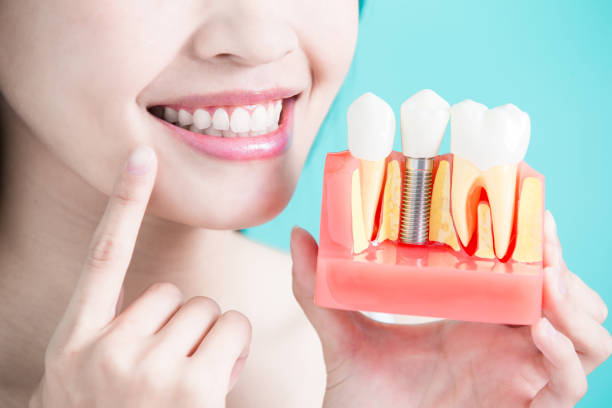
An implant has several parts. The implant fixture sits in the jawbone. An abutment connects it to the crown, and the crown is the visible part of the implant restoration. The fixture integrates with the jawbone, and that bone provides the support.
The peri-implant gum tissue forms a protective soft-tissue seal around the implant. This seal needs good plaque control to stay healthy.
Peri-Implant Mucositis Affects the Soft Tissue Around an Implant
Peri-implant mucositis is inflammation that mainly involves the soft tissues around an implant. It does not include the progressive bone loss seen in peri-implantitis. The American Academy of Periodontology notes that it may be reversible when it is caught early.
Signs can include redness, swelling, and bleeding when the dentist gently probes around the implant. Some patients also notice tenderness. In some cases, mucositis can progress, so early evaluation matters.
Peri-Implantitis Involves Inflammation and Supporting Bone Loss
Peri-implantitis is an inflammatory disease with progressive loss of the bone around an implant. This is the key difference from mucositis.
Bone matters because implant support depends on it. Progressive loss can affect long-term stability, and advanced disease can be harder to manage. Not every affected implant becomes loose or fails.
What Does Peri-Implantitis Look and Feel Like?
Peri-implantitis symptoms can be subtle. The condition can progress without dramatic pain, so gum changes deserve attention even when the implant feels fine. None of the signs below confirms a diagnosis on its own.
Bleeding Around a Dental Implant Can Be an Early Warning Sign
Bleeding around a dental implant during brushing, interdental cleaning, or a professional exam can point to inflammation. It is a sign that calls for evaluation. It does not automatically mean peri-implantitis, and a dentist can determine the cause.
Red, Swollen, or Tender Gums May Indicate Inflammation
Pay attention to changes from how the gums normally look around that implant. Redness, puffiness, tenderness, or persistent irritation can signal inflammation.
Swollen gums around an implant do not reveal how advanced a problem is. Only a professional evaluation can judge severity.
Pus or Persistent Drainage Requires Professional Evaluation
Discharge around an implant can indicate active inflammation or infection. An exam can identify the cause and guide next steps.
Dental implant infection signs can include drainage and persistent swelling. Either one is worth having checked soon.
Gum Recession May Make More of the Implant Restoration Visible
When gum tissue recedes, more of the abutment or restoration can show. This can change the gumline, trap food, and affect the look of the smile.
Recession does not always mean peri-implantitis. It needs a professional assessment.
Peri-Implantitis May Not Cause Significant Pain Early On
Many people expect inflammation to hurt. Peri-implant disease can progress without much pain, so a comfortable implant does not prove the tissues are healthy.
That is why professional monitoring matters, even when nothing feels wrong. Monitoring can catch dental implant problems before symptoms appear.
How Peri-Implantitis Can Affect the Bone Supporting a Dental Implant
When inflammation around an implant persists, it can reach the bone that holds the implant in place. Bone loss around a dental implant matters because dental implant support depends on that bone.
Dental Implants Rely on Direct Support From the Jawbone
The surface of an implant fixture bonds with the jawbone through osseointegration, the process in which bone grows against the implant. That bond gives the implant its functional support.
Persistent Inflammation Can Be Associated With Progressive Bone Loss
Persistent inflammation around an implant can be associated with bone loss that keeps progressing. Peri-implantitis involves harmful changes beyond the ordinary bone remodeling that follows implant placement.
Progressive peri-implant bone loss is what separates it from normal healing. Dentists evaluate implant bone loss over time, not one bone level on one day.
Advanced Bone Loss Can Reduce Implant Support
Increasing bone loss reduces the support around an implant and raises the chance of complications. This does not mean an implant automatically becomes mobile.
Outcomes vary with the amount and pattern of bone loss.
A Loose Implant Is Different From Inflamed Gums Around a Stable Implant
Gum inflammation can occur around an implant that is mechanically stable. A crown or abutment component can also loosen while the implant stays integrated. A loose crown is not the same as a loose implant.
True implant mobility is a different situation and needs prompt professional evaluation. An exam can tell these situations apart. Implant failure, where an implant is no longer integrated with the bone, is a separate topic with its own causes.
What Causes Inflammation Around Dental Implants?
Peri-implantitis has more than one cause. Several factors often combine, and they differ from patient to patient.
Plaque and Bacterial Biofilm Can Trigger Peri-Implant Inflammation
Plaque builds into a bacterial biofilm. The body responds with inflammation, and the tissues around the implant change.
Some areas are harder to clean. These include the areas around implant crowns, bridges, implant dentures, and full-arch restorations.
A History of Periodontal Disease Can Increase Risk
Patients with past periodontal disease may need especially careful implant maintenance and monitoring. The link between gum disease and dental implants matters: previous periodontal disease is a recognized risk factor for peri-implant disease. It does not mean an implant will fail, but it does make regular checks of peri-implant health more important.
Smoking and Nicotine Can Affect Peri-Implant Health
Smoking and nicotine exposure can affect tissue healing and are associated with implant complications. The American Dental Association notes that tobacco use can slow healing after implant surgery. A dentist can discuss how this applies to your situation.
Poorly Controlled Systemic Conditions May Affect Healing and Inflammation
Health history matters. Diabetes control, for example, can influence healing capacity and inflammation. Other medical risk factors may also play a role.
Share your full health history so your dentist can plan care around it.
Restoration Design Can Make Cleaning More Difficult
The shape of a restoration affects how well it can be cleaned. Bulky contours or hard-to-access spaces, including under some full-arch bridges and other implant-supported restorations, can make plaque removal harder.
When plaque builds up where it can’t be reached, peri-implant health can suffer. Design is not the cause in every case.
Can Implant Dentures and Full-Arch Dental Implants Develop Peri-Implantitis?
Yes. Implant dentures and full-arch restorations also depend on healthy tissue around the implants that support them.
Every Implant Requires Healthy Surrounding Tissue
The same biology applies whether an implant supports one crown, an implant bridge, a snap-in denture, or a fixed full-arch restoration. Patients with implant-supported dentures need to protect peri-implant health just as single-implant patients do.
Full-Arch Restorations Can Create Different Cleaning Challenges
Cleaning under and around an implant-supported restoration differs from cleaning natural teeth. Patients with All-on-4 dental implants or other full-mouth dental implants may need specific tools and techniques. Your dental team can show what works for your restoration.
Maintenance Needs Depend on the Type of Implant Restoration
Care differs by restoration type. A single implant crown is cleaned much like a natural tooth, with extra attention at the gumline. An implant bridge needs cleaning underneath, often with interdental tools.
A removable overdenture comes out for cleaning, and the implant attachments need cleaning too. A fixed full-arch bridge stays in place, so cleaning happens around and under it, along with regular professional checks.
Ask your dental team for a plan that fits your restoration.
How Dentists Check for Peri-Implantitis
A dental implant evaluation looks at the tissue, the bone, and the restoration together. Peri-implantitis diagnosis happens in the dental office, not at home. A routine dental implant checkup lets an implant dentist in Bonita Springs spot changes early.
The Gum Tissue Around the Implant Is Examined
During a dental implant evaluation, the dentist checks for bleeding, inflammation, drainage, recession, and overall tissue condition. This is a professional exam. Patients should not try to test the area themselves.
Dentists Measure Changes Around the Implant Over Time
Clinical measurements mean more when compared with earlier records. Tracking changes over time shows whether the tissues are stable or changing.
Dental X-Rays Help Evaluate Supporting Bone
X-rays help the dentist assess bone levels around an implant, especially when compared with earlier images. Not every case needs advanced 3D imaging, and the dentist decides what each situation requires.
The Dentist Also Checks the Crown, Abutment, and Implant Stability
Inflamed tissue is not the same as a loose crown, a loose abutment, or a mobile implant. The dentist checks each one because the cause shapes the treatment.
How Peri-Implantitis Is Managed
No single protocol fits every patient. Peri-implantitis treatment depends on disease severity, implant position, the amount and pattern of bone loss, restoration design, and access for cleaning. Implant stability and patient risk factors also matter.
Dental implant infection treatment starts with a careful evaluation. From there, the dentist matches implant inflammation treatment to the findings and builds a plan for dental implant care.
Treatment Starts With Controlling Plaque and Inflammation
Professional cleaning aims to reduce bacteria around the implant and calm inflammation. Better home plaque control, where appropriate, often helps as well. Your dentist will show appropriate methods, and patients should not try to treat the area on their own.
The Implant Restoration May Need to Be Evaluated
Sometimes the contours of a crown or bridge limit cleaning access. Possible steps include improving access for professional cleaning, adjusting the restoration, or evaluating its components. Restorations do not routinely need removal.
More Advanced Bone Loss May Require Surgical Management
Some cases may need surgical access to the area. Depending on the defect, a dentist may consider approaches that rebuild or reshape the supporting tissue. The right approach depends on the case.
Some Severely Compromised Implants Cannot Be Predictably Maintained
When support is severely reduced, an implant may not be maintainable over the long term. In selected advanced cases, a dentist may consider removing it. Removal is not the expected outcome, and evaluation and treatment aim to protect the implant whenever that is realistic.
Can Bone Lost From Peri-Implantitis Grow Back?
Sometimes, but not always. Treatment can aim to rebuild support in selected cases, and results depend on the defect and the clinical situation. No outcome can be guaranteed.
Controlling the Disease Comes Before Rebuilding Support
Active inflammation has to be managed first. After that, the dentist can assess whether regeneration is a realistic option.
Some Bone Defects May Be Considered for Regenerative Treatment
In selected cases, regenerative approaches may be considered. Not every defect qualifies, and regrowth cannot be promised.
Preventing Additional Bone Loss Is an Important Treatment Goal
Treatment often focuses on stopping further loss. Protecting the support that remains is a central goal.
How to Protect Dental Implants From Peri-Implant Disease
Prevention rests on daily care, regular visits, and early action.
Clean Around the Implant Restoration Every Day
Brush around the restoration each day and add interdental cleaning between teeth. Your dentist or hygienist can recommend brushes and tools suited to your restoration.
Maintain Professional Dental Implant Checkups
Regular visits let the dental team monitor tissue and bone before symptoms appear. Implants need regular professional checkups, just as natural teeth do. That applies even when an implant feels normal.
Address Bleeding or Swelling Instead of Waiting for Pain
Pain may not show up early. If bleeding or swelling persists, schedule an evaluation rather than waiting for discomfort.
Protect Both the Implant and the Surrounding Gum Health
Long-term implant health depends on plaque control, stable gums, and restoration maintenance. Bite monitoring and managing risk factors such as smoking or diabetes also play a part.
Common Questions About Peri-Implantitis
Can dental implants get gum disease?
Implants do not develop periodontal disease exactly like natural teeth. But the tissues around them can develop peri-implant inflammatory disease.
Is bleeding around a dental implant normal?
Persistent or recurring bleeding needs a professional evaluation. It does not automatically mean peri-implantitis.
Does peri-implantitis mean my dental implant will fail?
Not necessarily. Severity varies, and early evaluation and management matter.
Can peri-implantitis cause bone loss?
Yes. Progressive loss of supporting bone is what distinguishes peri-implantitis from soft-tissue-only inflammation.
Can peri-implantitis be treated?
It can be managed. Treatment depends on severity, the implant and restoration, the amount of bone loss, and patient factors.
Can peri-implantitis happen without pain?
Yes. Significant inflammation can sometimes occur without prominent pain.
Can peri-implantitis affect All-on-4 or implant dentures?
Yes. The tissues around implants need maintenance no matter which restoration the implants support.
Should a loose dental implant be checked immediately?
Yes. Implant mobility differs from ordinary gum inflammation or a loose restorative component, and it needs prompt professional assessment.
Protect the Health of Your Dental Implants in Bonita Springs
Persistent bleeding, swelling, discharge, gum changes, or concerns about an existing implant should be professionally evaluated. An evaluation can help determine whether the tissues around your implant are healthy or need care.
Dr. Breanne Anderson and the team at Smile Rejuvenations of Southwest Florida welcome patients from Bonita Springs, Estero, and nearby Southwest Florida communities. Contact our Bonita Springs office to schedule an implant evaluation.
