
Snap-In Dentures in Bonita Springs, FL: How Dental Implants Create a More Stable, Secure Fit
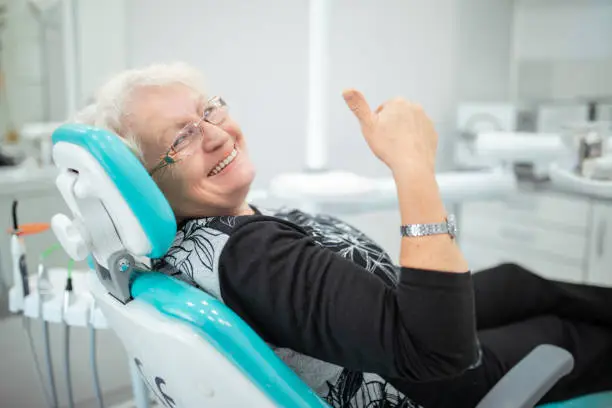
A snap-in denture is a removable denture that connects to dental implants through small attachment components. This connection gives it more retention than a conventional denture, which relies mainly on the gums, ridge shape, suction, or adhesive.
The implants stay fixed in the jaw. Matching attachments let the denture snap into place over them. Once secured, the denture resists movement far better than one that rests on gum tissue alone. You can still remove it yourself for cleaning, and it still needs regular maintenance to stay in good working order.
Snap-in dentures often come up as a middle-ground option between a traditional removable denture and a fixed, non-removable implant restoration. This sits between a traditional removable denture and a fixed, non-removable implant restoration. Patients in Estero often ask about denture implants near Estero for the same reason. This guide explains how they work, how they compare to other options, and what ongoing care looks like.
What Are Snap-In Dentures?
A snap-in denture is a removable denture that connects to dental implants for added support and stability. Dentists and patients also refer to this treatment as an implant-supported denture or implant-retained denture, since all three terms describe the same type of restoration. This is a specific type of implant overdenture, a broader category that also includes dentures supported by natural tooth roots rather than implants. Patients sometimes use the term denture implants as well, referring to the implants that anchor the denture in place.
Dental Implants Anchor the Denture to the Jaw
Dental implants placed in the jawbone act as anchor points. Unlike natural teeth, implants used this way don’t become denture teeth themselves. Instead, they support attachment components that the denture connects to.
Attachments Allow the Denture to Snap Into Position
Each implant holds a small connector, often called an attachment housing or implant abutment. A matching retentive insert sits inside the denture itself. This general design, where a denture connects to implants for support, is called an overdenture. When the two pieces come together, the denture clicks or snaps into place over the implants.
Snap-In Dentures Remain Removable
You can take a snap-in denture out yourself, typically for daily cleaning. This is different from a fixed full-arch bridge, which stays in place during everyday use and is only removed by a dentist when necessary. We’ll cover that distinction in more detail later in this guide.
Why Implant-Retained Dentures Feel More Stable Than Traditional Dentures
Implants give a denture something to anchor to besides gum tissue. That extra anchorage typically means less movement and more confidence during daily activities, which is why many patients describe the result as secure dentures or stable dentures compared to what they wore before.
Implants Help Resist Denture Movement
A traditional denture can shift during chewing, speaking, laughing, coughing, or opening widely. Implant attachments reduce this kind of movement, though no denture, including a snap-in style, eliminates movement completely. For patients who have dealt with dentures that don’t move as much day to day, that reduction alone can make a noticeable difference.
Better Retention Can Reduce Dependence on Denture Adhesive
Conventional dentures often rely on the shape of the ridge, natural suction, and adhesive to stay in place. Implant attachments add mechanical retention instead. Many patients find they need less adhesive as a result, though individual needs still vary.
Improved Stability Can Make Chewing More Comfortable
A more stable denture base can allow for more controlled, confident chewing. Bite strength with an implant-retained denture still won’t match that of natural teeth for every patient, but many people notice a meaningful improvement over a loose conventional denture.
A Secure Denture Can Improve Confidence When Speaking and Smiling
Less shifting during conversation or smiling can ease some of the self-consciousness that comes with a loose denture. A secure-fitting denture offers a functional benefit, not a guaranteed personality change or lifestyle transformation.
How Dental Implants and Denture Attachments Work Together
Understanding the mechanics helps explain why implant number, placement, and maintenance all matter.
The Implant Integrates With the Jawbone
Once placed, a dental implant allows the surrounding bone to heal around it. Over time, this process fuses the implant surface to the bone through osseointegration. This biological bond is what gives the implant its stability as an anchor point.
An Abutment Connects the Implant to the Denture Attachment
The implant fixture sits in the bone. An abutment attaches to the top of it, and this is where the attachment housing built into the denture connects. Each piece, from the implant fixture to the denture housing itself, plays a distinct role in the chain from bone to denture.
Retentive Inserts Create the Snap-In Connection
The retentive insert inside the denture is a replaceable component. Over time, normal use causes this piece to wear down, which is why it’s designed to be swapped out rather than repaired.
Multiple Implants Help Distribute Retention Across the Denture
There is no single implant number that applies to every patient. The right number depends on whether the denture is for the upper or lower arch, the available bone, individual anatomy, the denture’s design, the retention the patient and dentist are aiming for, and the overall treatment plan.
Snap-In Dentures vs. Traditional Dentures
Traditional Dentures Rest Primarily on the Gums
Traditional dentures rest primarily on the gums. They depend on ridge shape, suction, and often adhesive for a secure fit. Because the denture base sits directly on the ridge, changes in that ridge over time can affect how well the denture continues to fit.
Snap-In Dentures Gain Retention From Dental Implants
Snap-in dentures gain additional retention directly from implants rather than from the ridge alone. The attachments connecting the denture to the implants provide mechanical retention, which changes how the denture stays in place day to day.
Both Options Still Need Proper Fit and Maintenance
Even with implant support, both options still need proper fit and regular maintenance. Implants don’t compensate for damaged denture teeth, a poorly fitting prosthesis, inconsistent hygiene, or worn attachments.
| Feature | Traditional Dentures | Snap-In Dentures |
|---|---|---|
| Removable | Yes | Yes |
| Implant Support | No | Yes |
| Mechanical Retention | No | Yes |
| Patient Removes for Cleaning | Yes | Yes |
| Attachment Maintenance | No | Yes |
| Bone Required for Implants | No | Yes |
Snap-In Dentures vs. All-on-4 Fixed Implant Teeth
Both options use dental implants, but they function very differently day-to-day.
Snap-In Dentures Can Be Removed by the Patient
A snap-in denture is designed for the patient to take out, most often for daily cleaning and overnight rest.
All-on-4 Usually Supports a Fixed Full-Arch Bridge
All-on-4 dental implants typically support a fixed, full-arch bridge, a type of full-arch dental implant restoration. This kind of fixed implant teeth generally stays in place during everyday use. It is removed by a dentist only when professional care requires it.
The Two Options Have Different Hygiene and Maintenance Needs
A removable snap-in denture is cleaned outside the mouth each day. A fixed full-arch bridge requires cleaning underneath and around it while it stays in place. It also needs periodic attachment replacement and professional maintenance specific to each system.
Bone, Anatomy, Lifestyle, and Restorative Goals Affect the Choice
Neither option is universally better. The right fit depends on available bone, individual anatomy, daily lifestyle, and what the patient wants from a restoration.
Who May Be a Candidate for Snap-In Dentures?
Several factors go into determining candidacy for implant-supported dentures, and every implant denture candidate is evaluated individually.
Patients Struggling With Loose Traditional Dentures
Slipping, instability, difficulty chewing, and heavy reliance on adhesive are common reasons patients start looking into denture implants as an alternative. General dissatisfaction with how a denture holds throughout the day is often the first sign it’s time to explore other options.
Patients Missing Most or All Teeth in an Arch
Snap-in dentures are typically considered for patients missing most or all teeth in an arch. Not every patient with missing teeth needs this specific type of restoration.
Enough Healthy Bone Must Be Available for Implant Support
Implants need adequate bone volume and quality to integrate properly. A dentist typically confirms this through a CBCT scan, a type of 3D imaging that shows available bone before recommending a specific implant location and number. This assessment applies whether a patient is considering standard snap-in dentures or overdentures in Bonita Springs, FL, with a different attachment configuration.
Gum and Overall Health Also Affect Implant Candidacy
Periodontal health, any active infection, healing ability, smoking status, oral hygiene habits, and overall medical history all factor into whether someone is a good candidate.
Can Long-Term Denture Wearers Get Snap-In Dentures?
Many patients who have worn dentures for years wonder if it’s too late for implant support.
Years Without Teeth Can Change the Jawbone
Tooth loss reduces the stimulation the jawbone normally receives from chewing forces. Over time, this can lead to ridge resorption, which changes denture fit. You can learn more about how bone loss affects long-term denture wearers in a separate guide focused on that process.
Bone Loss Does Not Automatically Rule Out Implant Dentures
Bone loss doesn’t automatically disqualify a patient from implant-supported dentures, though it may change the treatment approach or implant configuration needed. Patients with significant bone loss sometimes explore All-on-4 dental implants for jawbone loss as part of that conversation. Not every severely resorbed case will qualify for every implant option.
3D Imaging Shows Where Implant Support May Be Available
A CBCT scan gives a detailed view of the bone that remains. This helps a dentist determine where implants can be placed and what type of restoration makes sense.
What the Snap-In Denture Treatment Process Usually Involves
The process generally follows a series of stages, though specifics vary by patient.
Implant Consultation and 3D Evaluation
Treatment typically starts with an implant consultation that covers denture concerns, medical history, an oral exam, a bone assessment, a look at the existing denture if there is one, and a conversation about the patient’s restorative goals.
Dental Implant Placement
Once a plan is set, the dental implants are surgically placed into the jawbone. This step lays the groundwork for the denture implants that will eventually connect to them, and healing begins right after placement.
Healing Allows the Implants to Integrate With Bone
After placement, healing time allows the implants to fuse with the surrounding bone through osseointegration. This timeline varies by patient and isn’t the same for everyone.
The Denture Is Designed or Modified to Connect to the Implants
Depending on the case, a new denture may be created, or in some situations an appropriate existing denture may be modified to work with the implants. Not every existing denture is suitable for conversion. Either path leads toward a functioning implant-supported denture result, though the process to get there can differ.
The Attachments Are Adjusted for Comfortable Retention
The final step balances retention. Too little retention allows unwanted movement, while properly adjusted retention creates a secure fit that’s still manageable to remove.
What Eating With Snap-In Dentures Can Feel Like
Function typically improves with implant support, though adjustment still takes time.
Greater Retention Helps Limit Movement During Chewing
The added stability from implants generally means less shifting of the denture while eating.
Patients Still Need Time to Adapt to the New Denture
Chewing patterns, tongue position, and muscle habits often need an adjustment period. Many patients also notice their bite feels different at first as they get used to the new retention.
Extremely Hard or Sticky Foods May Still Require Caution
Certain hard or sticky foods may still call for extra care, even with implant support. This varies by individual case rather than following one universal list.
How Snap-In Dentures Affect Jawbone Support
Implants change how forces move through the jaw, though their effect on bone has real limits worth understanding.
Dental Implants Transfer Functional Forces Into Bone
Implants transfer chewing forces into the jawbone in a way that resembles natural tooth roots. This controlled loading stimulates bone remodeling, the ongoing process by which bone responds to the forces placed on it, and can help support the bone that remains.
Implants Do Not Restore All Bone That Was Previously Lost
This point matters for setting realistic expectations. Implants can help slow further bone loss compared to conventional dentures, but they generally don’t rebuild bone that has already resorbed.
The Denture Still Provides Soft-Tissue and Facial Support
The denture itself helps replace lost tissue volume and support facial structure, which can be an advantage for patients regardless of how much bone has already changed.
How to Clean Snap-In Dentures and Dental Implants
Daily care and periodic professional visits both matter for long-term success. Patients sometimes search for information on permanent implant dentures when researching this topic, though a snap-in denture is removable rather than permanently fixed in place.
Remove the Denture as Directed for Daily Cleaning
Removing food debris and plaque from the denture surfaces each day helps prevent buildup. The American Dental Association recommends cleaning dentures with a soft-bristled brush and appropriate cleaning products rather than abrasive materials, and your dentist can point you toward options suited to your specific denture.
Clean Around the Implant Attachments
Plaque can accumulate around the implant abutments themselves. Keeping this area clean supports the health of the peri-implant tissue surrounding each implant.
Clean the Attachment Housings Inside the Denture
Debris trapped inside the attachment housings can interfere with how well the denture snaps into place. Regular cleaning here helps maintain proper function.
Professional Maintenance Protects the Implants and Denture
Routine visits let your dentist check implant health, tissue condition, denture fit, bite alignment, and attachment wear, along with a professional cleaning.
Why Snap-In Dentures Can Become Loose Over Time
Several different factors can cause a snap-in denture to feel less secure, and they don’t all point to the same problem.
Retentive Inserts Can Wear Down
These components are designed to wear with normal use, which is a routine part of owning a snap-in denture rather than a sign of a problem.
The Jaw and Gum Tissues Can Continue to Change
Bone and soft tissue can keep changing over time, which may affect how the denture fits even when the attachments themselves are fine.
The Denture Base or Bite May Need Adjustment
Ordinary prosthetic wear can affect how the denture base or bite feels over time. A reline, bite adjustment, or denture repair can often resolve fit issues related to the prosthesis itself. Patients in Bonita Springs, Estero, or a nearby Southwest Florida community can typically address these adjustments locally.
Implant Problems Require Professional Evaluation
A loose attachment is not the same as a loose implant. If an implant itself feels unstable, that requires a professional evaluation and should not be assumed to be ordinary attachment wear.
What Maintenance Do Implant-Retained Dentures Need?
Ongoing care covers several different parts of the system.
Attachment Components May Need Periodic Replacement
Because retentive inserts wear over time, they’re periodically replaced. There’s no single schedule that applies to every patient.
The Denture May Need Relining or Repair
As the fit changes over time, a reline or repair helps keep the denture comfortable and functional.
The Implants Need Long-Term Monitoring
Regular checks for inflammation, plaque buildup, bone levels, tissue health, and overall implant stability help catch problems early.
The Bite Should Be Checked as the Denture Wears
As the denture material wears, bite forces can shift. Periodic bite checks help maintain even function over time.
Common Questions About Snap-In Dentures
Are snap-in dentures permanent?
The implants themselves remain in the jaw, but the denture that attaches to them is typically removable rather than permanently fixed.
How many implants are needed for snap-in dentures?
There’s no universal number. It depends on the arch, individual anatomy, available bone, desired retention, and the specific prosthetic design.
Can snap-in dentures come loose?
Yes, since the denture is designed to be removable, and attachment components naturally wear over time. Reduced retention can usually be evaluated and addressed by your dentist.
Do snap-in dentures need adhesive?
Implant attachments provide mechanical retention, which may reduce how much adhesive you need. This varies from patient to patient.
Can I sleep with snap-in dentures?
Follow the specific wear and cleaning instructions your dentist provides rather than assuming a removable implant denture should stay in continuously.
Can my current dentures be converted into snap-in dentures?
Some existing dentures may be suitable for modification, while others require a new prosthesis. Fit, strength, available space, bite, and implant position all factor into that decision.
Are snap-in dentures the same as All-on-4?
No. Snap-in dentures are generally patient-removable overdentures, while All-on-4 commonly refers to a fixed, full-arch restoration supported by implants.
Can I get snap-in dentures if I have bone loss?
Possibly. Candidacy depends on the amount, quality, and location of remaining bone, which is assessed through a clinical exam and appropriate imaging.
How do you clean snap-in dentures?
Both the removable denture and the implant attachments need regular cleaning, along with periodic professional maintenance visits.
Find a More Stable Alternative to Loose Dentures in Bonita Springs
Patients who struggle with loose or shifting dentures may have more than one implant-supported option. An implant evaluation can determine whether a removable snap-in denture, a fixed full-arch restoration, or another tooth-replacement approach fits your available bone, oral health, and everyday priorities.
Dr. Breanne Anderson and the team at Smile Rejuvenations of Southwest Florida welcome patients from Bonita Springs, Estero, and nearby Southwest Florida communities who want to explore a more secure alternative to a loose denture.
